
Plants contain a number of chemical compounds known as phytochemicals that provide various health benefits to humans when they are consumed. One benefit is the reduced risk of developing chronic diseases due to the ability of many phytochemicals to modulate the immune response, reduce inflammation, and protect healthy cells from oxidative stress. Further, certain diseases such as cancer have been seen to respond favorably to these bioactive plant compounds.
One current challenge in the field of cancer treatment includes the resistance of cancer cells to anti-cancer drugs or radiotherapy. Cancer stem cells can develop this resistance through several mechanisms, including upregulating transporters that expel drugs from the tumor cell; altering the tumor microenvironment to provide more suitable tumor growth conditions; and modulating cell signaling pathways to prevent tumor cell apoptosis. Many phytochemicals can target specific components of cancer stem cells that enable their anti-cancer drug resistance; thus, incorporating these compounds into one's treatment regimen may allow for improved therapeutic results when compared to using chemotherapy drugs alone.

For example, the plant Berberis produces the bioactive alkaloid compound Berberine, which has been shown to reduce the renewal and differentiation capacity of neuroblastoma stem cells and downregulate the PI3/Akt pathway, thus hindering the development of resistant cancer cells (Naveen et al., 2016). Betulonic acid, a triterpenoid found in bark extract from the plant Walsura pinnata Hassk, has been seen to induce apoptosis of leukemia stem cells (Leong et al., 2017).
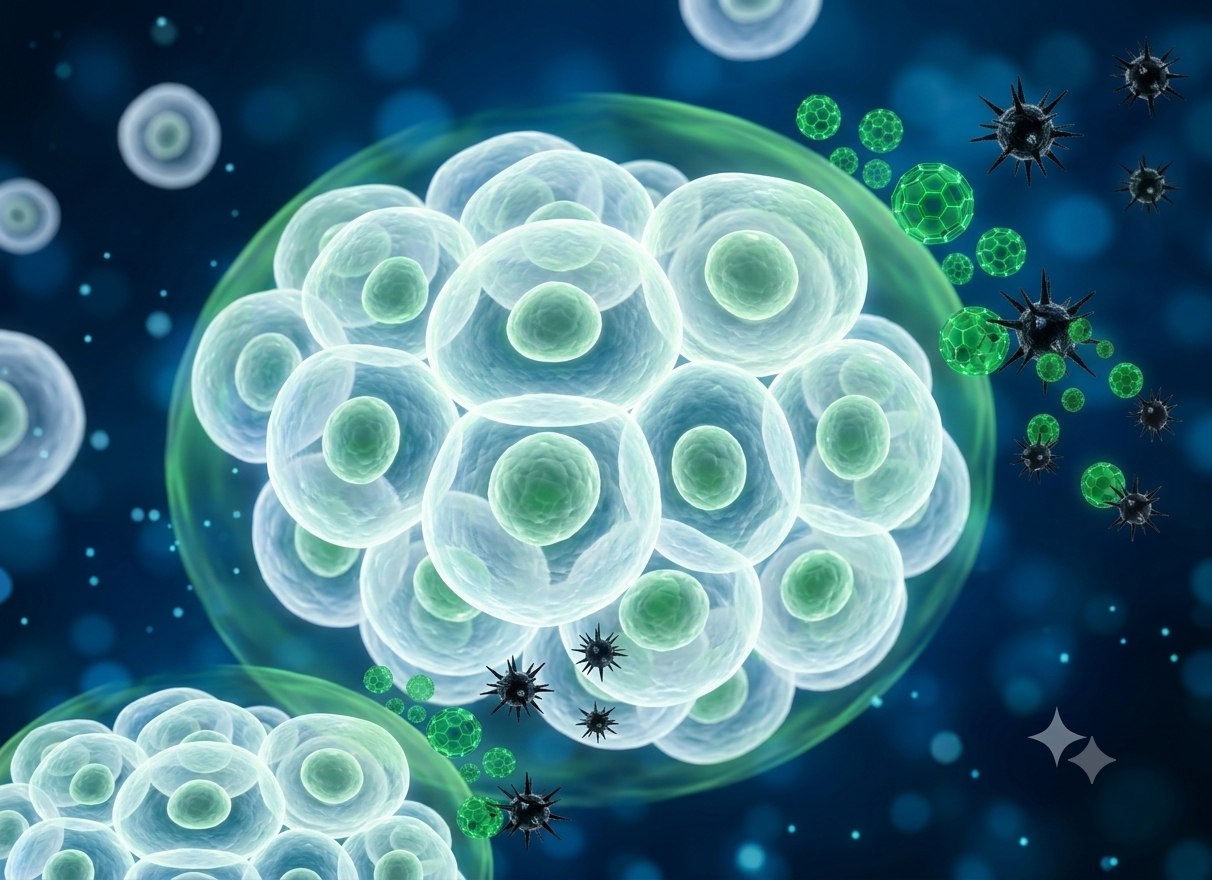
Further, a 2023 analysis investigated the use of phytochemicals as nanotherapeutic agents to increase tumor cellular uptake of anticancer drugs, as well as to lessen the harmful side effects of conventional cancer therapies. Phytochemical nanodrugs have also been seen to resensitize cancer stem cells to chemotherapeutics after they have developed resistance. One study demonstrated that conjugating the phytochemical resveratrol to a gold-based nanoparticle enhances the anti-cancer effect of resveratrol due to the improved bioavailability and cellular uptake by breast, pancreatic, and prostate cancer cells (Thipe et al., 2019).
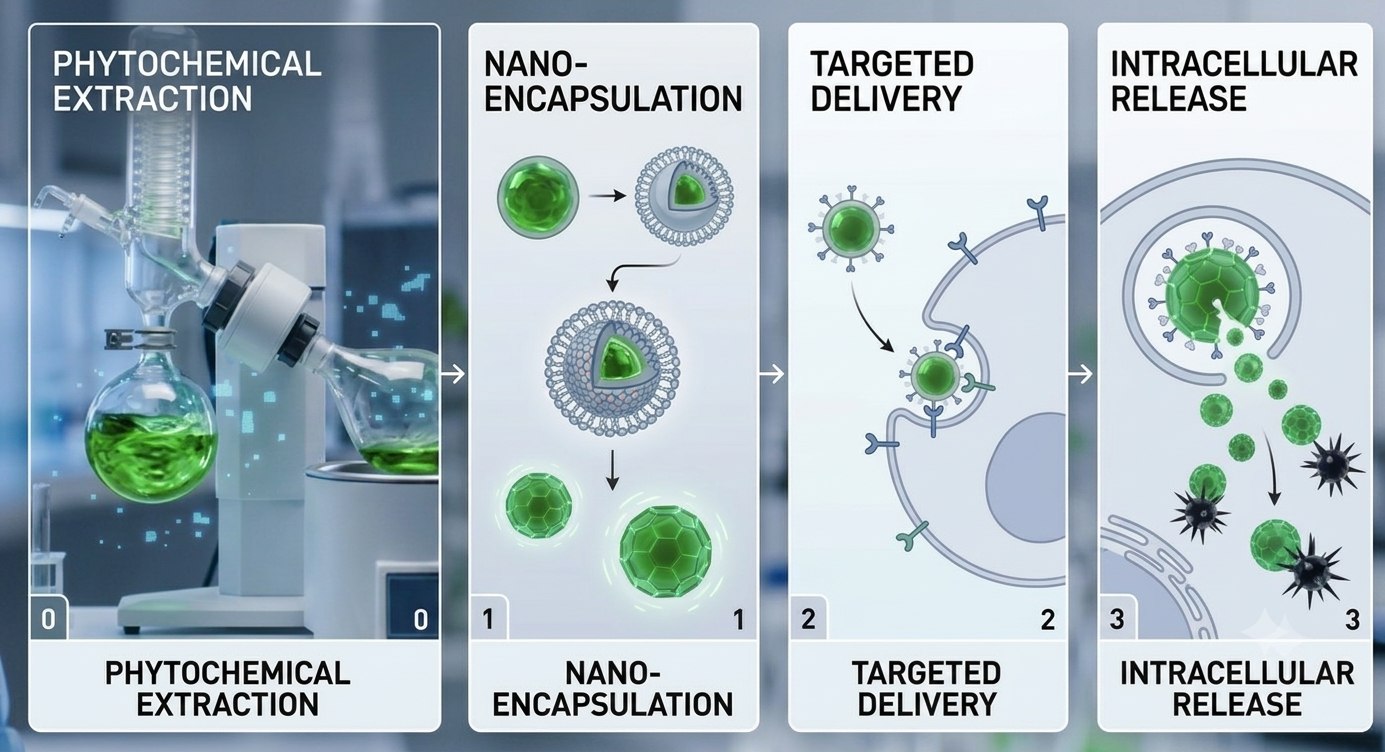
Thus, the use of natural compounds such as phytochemicals to fight cancer has proven to positively modulate biological pathways implicated in this complex disease as well as help to optimize patient quality of life by way of slowing cancer progression and reducing negative side effects resulting from other chemotherapeutic agents. Continued research in this area will hopefully reveal improved, less toxic, and better tolerated treatment options for patients with cancer and other inflammatory conditions.