
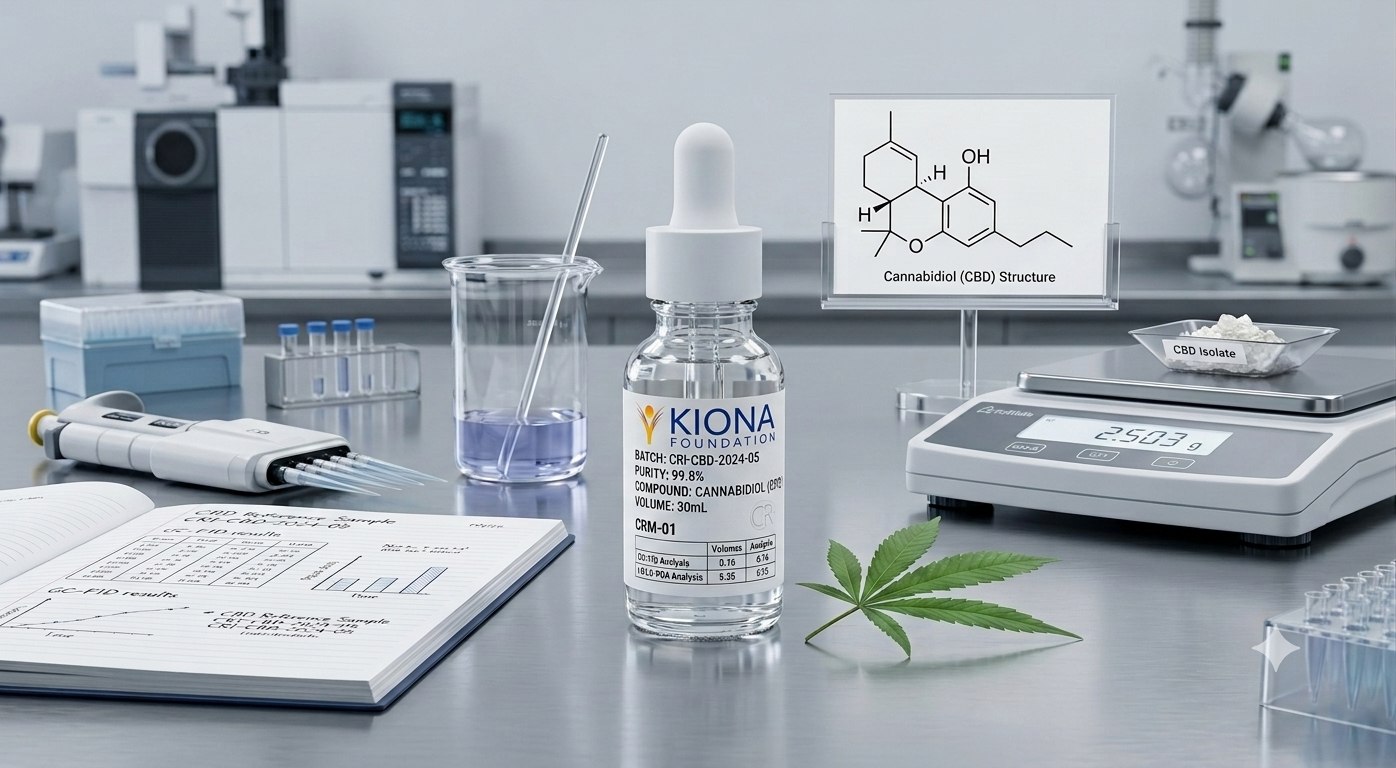
The endocannabinoid system, or ECS, is the body's own signaling system. Cannabis is not the system itself. The Foundation's interest begins with pharmacognosy: understanding natural sources, the questions they raise, and the evidence needed before a finding becomes a treatment claim.
Endogenous cannabinoids are produced in the body; phytocannabinoids are plant-derived compounds. These terms should not be used interchangeably. CB1 and CB2 are cannabinoid receptors, but a receptor label alone does not tell us whether a product is safe, effective or appropriate for a particular patient. THC and CBD are also different compounds, not interchangeable therapies.
Cannabis and cannabinoids are studied for symptom management and for possible effects on cancer biology. Those are different questions. The National Cancer Institute's Cannabis and Cannabinoids summary distinguishes supportive-care evidence from cancer treatment. Dronabinol and nabilone have FDA-approved uses for chemotherapy-related nausea and vomiting under specified conditions; that does not establish Cannabis or CBD as a cancer cure.
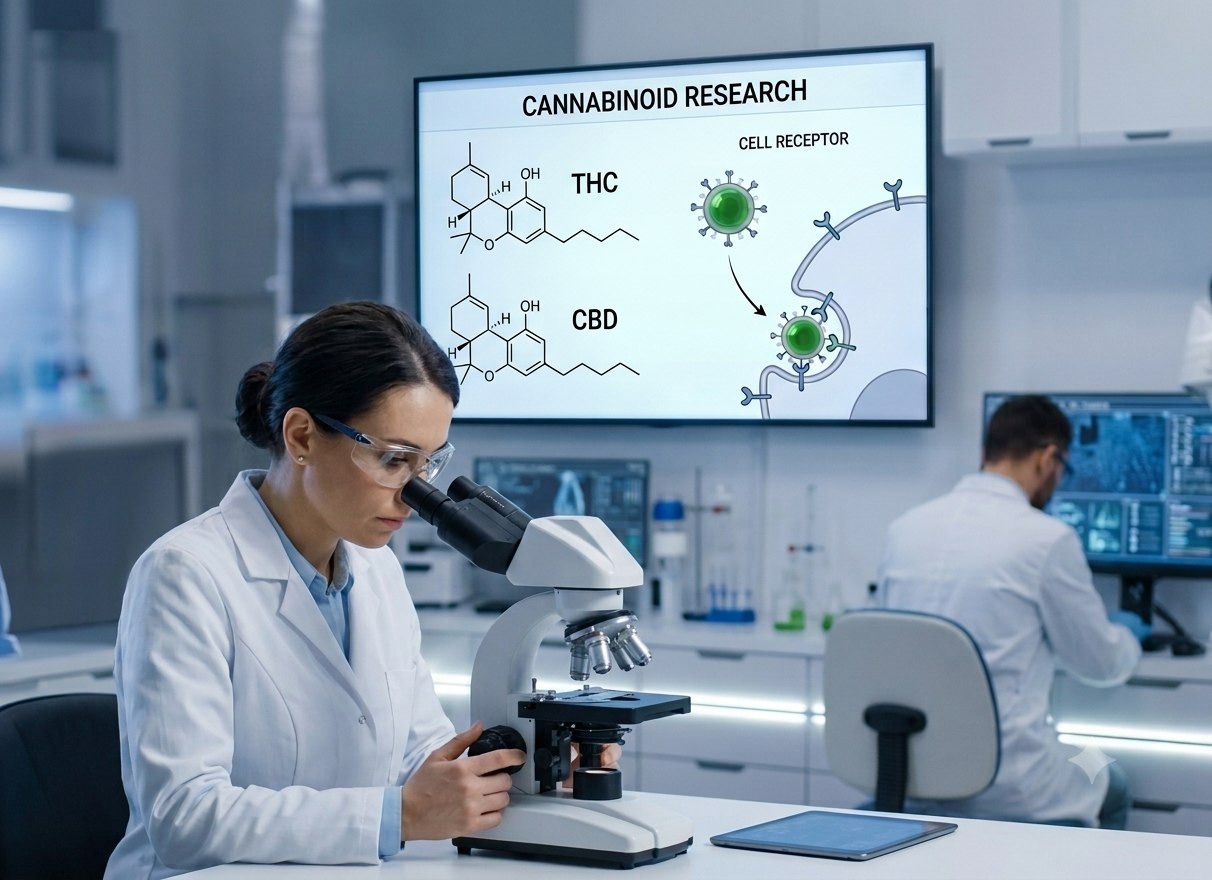
Cell and animal experiments can investigate signaling, cell death and tumor behavior. They cannot establish that a substance improves survival in people. A useful reading of any cancer study asks: Was it performed in cells, animals or patients? Which cancer, preparation and outcome were studied? Was there a comparison group? What remains unknown? The reviews listed below provide research context, not a Foundation treatment protocol.
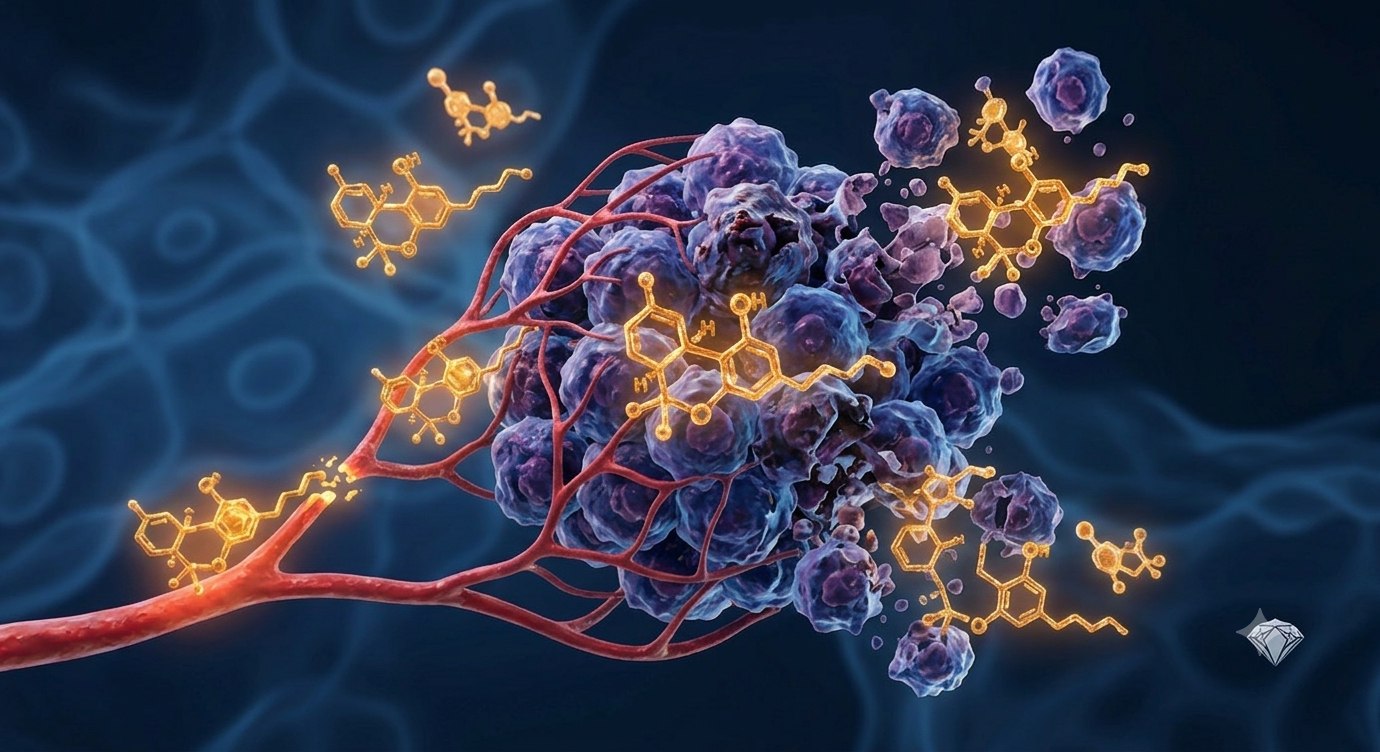
Pediatric evidence requires particular care. NCI describes limited studies in children and safety concerns; adult findings cannot simply be applied to a child. Families should discuss products, interactions and symptom concerns with their oncology team. This page does not recommend a preparation or dose, replacing treatment, or delaying care. For the Foundation's own protocol, read the current research status: no current approval, enrollment, intervention availability or clinical results are represented here.
References
- NCI: Cannabis and Cannabinoids, patient summary
- NCI: Cannabis and Cannabinoids, health-professional summary