
Pharmacognosy asks what natural sources contain, how those materials can be identified and characterized, and whether their biological activity warrants further study. A plant's history of use can inform a research question. It does not, by itself, establish the safety or effectiveness of a cancer treatment.
Treatment resistance is an important research problem. Discovering that a compound affects a resistance-related mechanism in an experimental model is an early finding, not a reason to add that compound to a patient's regimen. Development must address reproducibility, formulation, quality, exposure, toxicity and appropriate human studies. The FDA's Botanical Drug Development guidance provides a development framework; it does not approve the plants discussed here.

One example in the cited literature is betulonic acid isolated from Walsura pinnata. Leong and colleagues investigated leukemia stem-cell models and a zebrafish model. The study supports further investigation of a possible lead compound. It did not test treatment effectiveness in cancer patients and does not establish a pediatric therapy.
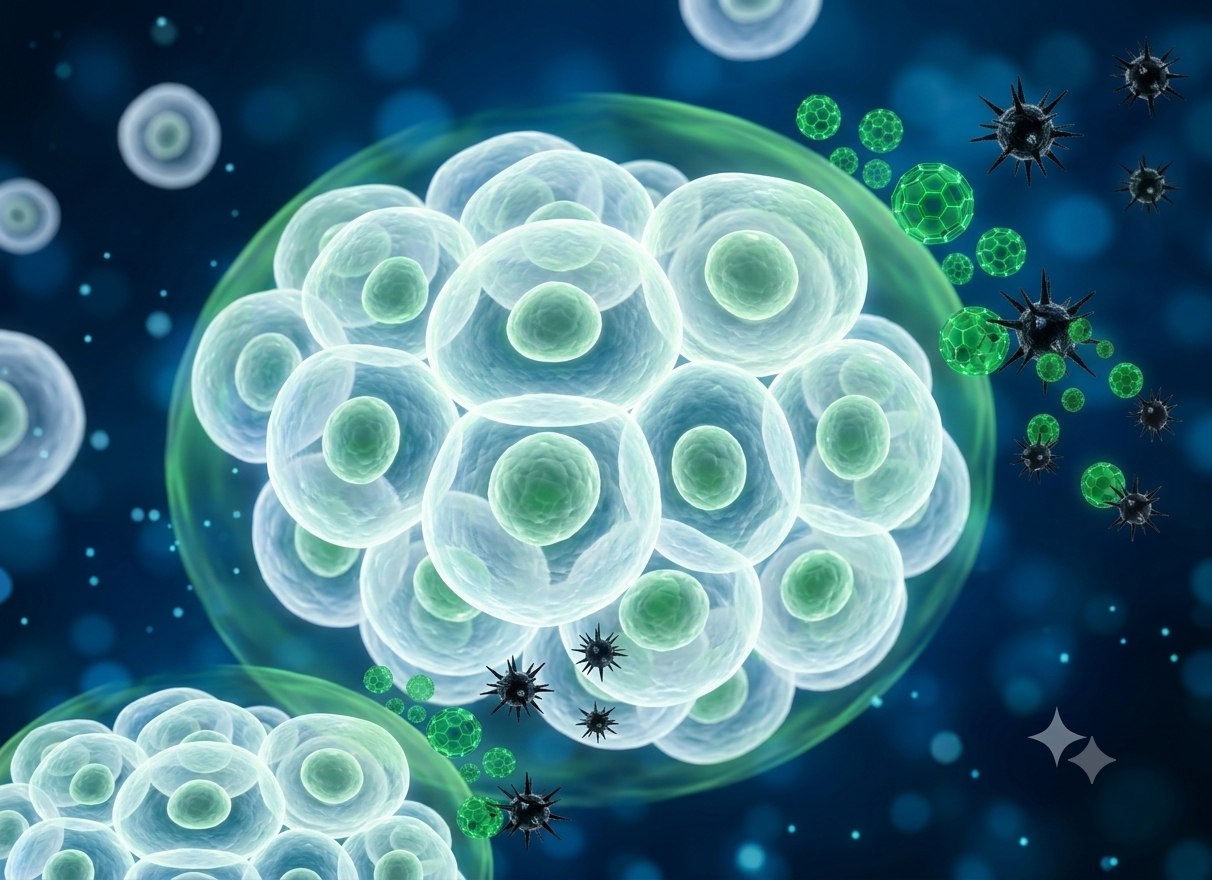
Research on delivery systems also needs careful interpretation. A formulation designed to improve delivery is not automatically an approved drug, and an experimental delivery diagram is not evidence of patient benefit. A research summary should identify the material, model and measured outcome rather than imply that a technique has solved clinical delivery or safety.
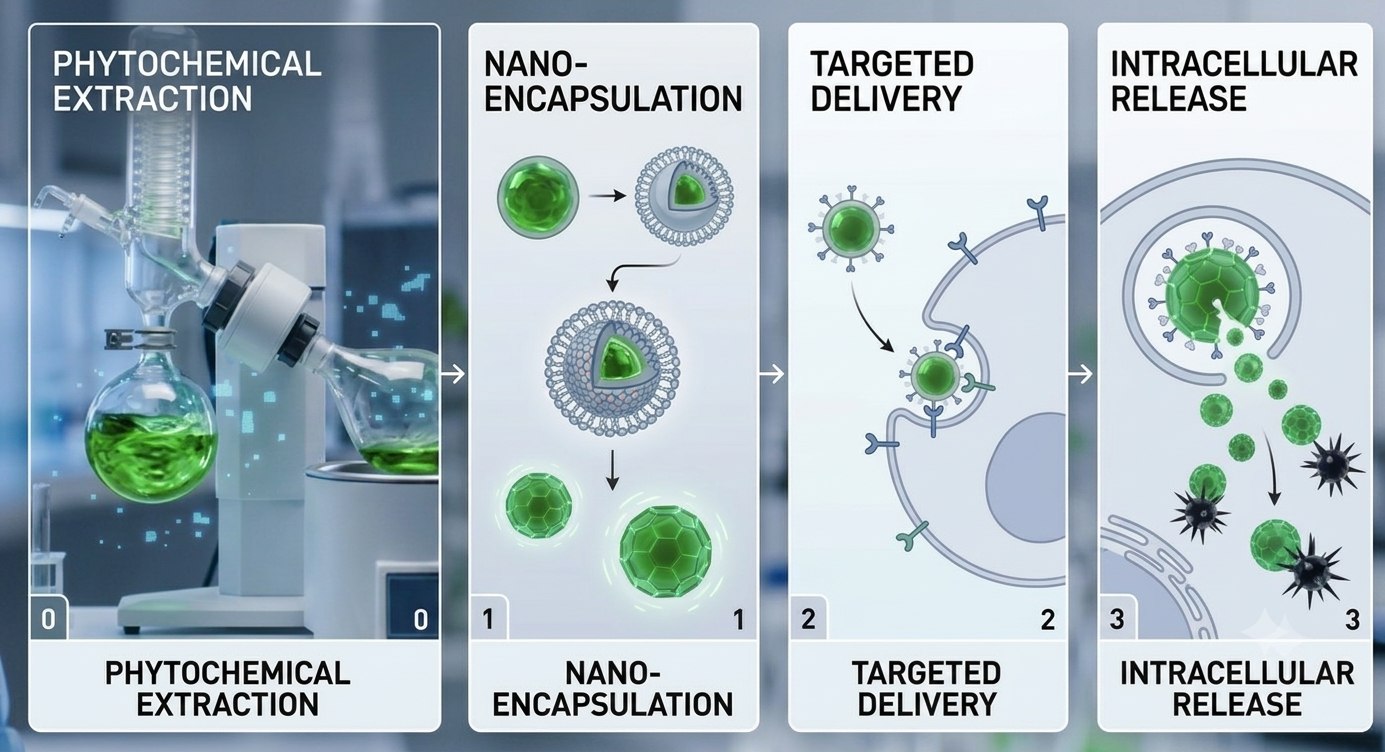
The Foundation's interest is a traceable path from promising questions to responsible research. The references below include experimental and review literature; they are not evidence that the Foundation has demonstrated a cure, slowed cancer progression or delivered a less toxic treatment. Our research page distinguishes the prepared protocol from current approval, enrollment and results. This article is educational, not a recommendation to use plant compounds during cancer treatment.